
Why Ghost Ants Invade Your Florida Bathroom (& How to Stop Them For Good)
There are few things more unsettling than stepping out of the shower and noticing a trail of tiny, almost transparent ants marching purposefully across your bathroom floor. Unlike kitchen invasions, finding pests in this private, clean-space sanctuary feels like a special violation. If you’re in South Florida, these elusive invaders are almost certainly ghost ants, and your bathroom provides everything they need to thrive. Before you reach for harsh chemical sprays that are unsafe for such a intimate space, know that understanding why they’re there is the first step to winning the battle. At NaturePest, we specialize in solving pest problems at their source. This guide will reveal the hidden attractions in your bathroom and provide a holistic, family-safe plan to reclaim your peace.
Why is My Bathroom a Magnet for Ghost Ants?
Ghost ants (Tapinoma melanocephalum) are driven by two primal needs: water and food. Your bathroom is a five-star resort for these pests.
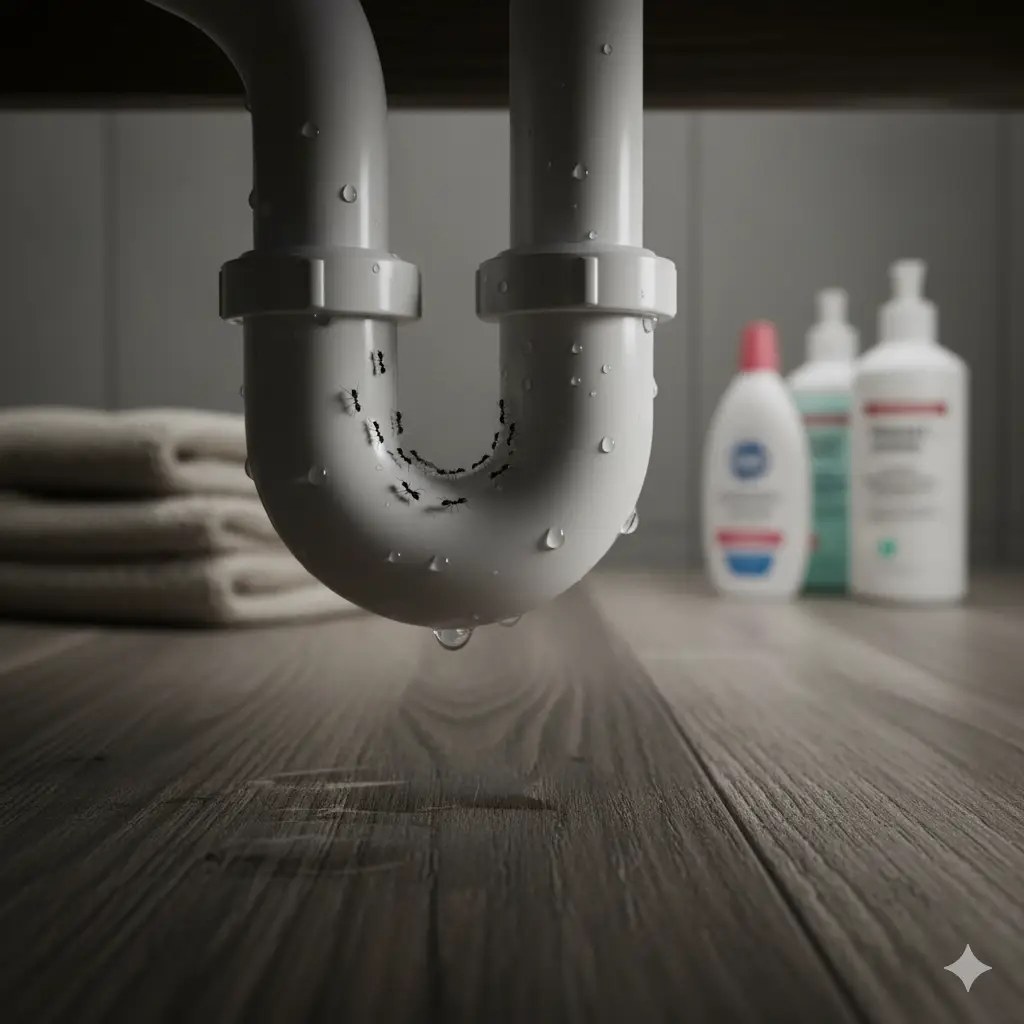
- Constant Moisture: This is the #1 attractant. Ghost ants need water to survive. Your bathroom provides a endless supply from leaky faucets, sweating pipes, shower condensation, and damp towels. Even a tiny drip under the sink creates a perfect water source.
- Hidden Mold and Mildew: Behind walls and under floors, persistent moisture can lead to mold and mildew. Ghost ants and other insects will feed on these fungi.
- Unexpected Food Sources: Toothpaste, soap residue, shampoo droplets, and even shed skin cells can provide the sugars and proteins ghost ants seek. A forgotten rinse cup or a damp loofah can be a feast.
- Warmth and Shelter: The void spaces behind bathtubs, showers, and sinks are dark, humid, and protected—ideal conditions for ghost ants to establish a satellite colony.
A key resource from the University of Florida IFAS Extension confirms their adaptability: “Ghost ants are highly adaptable in their nesting habits… They can nest both indoors and outdoors, often in… wall voids. Their colonies have multiple queens and can split into subcolonies quickly…” This explains why a colony can quickly spread from a bathroom wall to other areas of your home. Source: UF/IFAS Entomology Department
Your Step-by-Step Guide to a Holistic Bathroom Ant Audit
Effective control starts with a thorough investigation. Grab a flashlight and inspect these critical areas:
1. Moisture Zones (The Primary Attractant)
- Under Sinks: Check for leaks from P-traps, supply lines, and drain connections. Feel the cabinet floor for dampness.
- Around Toilets: Check the base for leaks and the supply line connection.
- Bathtub/Shower: Inspect the caulking and grout for cracks or gaps. Look for signs of water damage on the floor or walls adjacent to the shower.
- Ventilation: Is your bathroom fan functioning properly? Poor ventilation leads to lingering humidity that ants love.
2. Entry Points
- Plumbing Penetrations: Check where pipes enter through the walls under sinks and behind toilets. Even a hairline gap is a highway for ants.
- Baseboards & Trim: Look for gaps between the baseboard and the wall or floor.
- Window & Door Seals: Ensure seals are tight.
3. Harborage and Food Sources
- Storage Cabinets: Check for spilled products, damp cloths, or other organic debris.
- Waste Baskets: Ensure they have lids and are emptied regularly.
- Damp Towels & Mats: Don’t leave them piled on the floor.
Holistic Removal and Prevention Strategies
Once you’ve identified the attractants, it’s time to take action.
Immediate Action (DIY):
- Wipe Up Trails: Use a vinegar and water solution (1:1) to disrupt pheromone trails and clean surfaces.
- Fix Moisture Issues: Tighten leaky fittings. Use a dehumidifier or improve ventilation to reduce ambient humidity.
- Seal Entry Points: Use silicone caulk to seal gaps around pipes, baseboards, and cracks.
- Store Products Securely: Keep toiletries in sealed containers or zip-lock bags.
Long-Term Prevention:
- Natural Deterrents: Wipe down baseboards and windowsills with a few drops of peppermint or tea tree oil mixed with water. The scent repels ants.
- Baiting (With Extreme Caution): In bathrooms, baiting is risky due to pet and child access. If you must, use a commercially available sugar-based gel bait and place a tiny drop in a hidden area ants are trailing, like behind the toilet tank. Never use spray insecticides. They scatter the colony, making the problem worse.
When DIY Isn’t Enough: Calling a Professional Exterminator
Ghost ants are notoriously difficult to eliminate because of their multiple queens and hidden nests. Call NaturePest if:
- You continue to see ants after diligent DIY efforts.
- You suspect a nest is hidden within a wall void or under a bathroom fixture.
- The infestation is widespread or you simply want a guaranteed, safe solution.
Our ant control experts use targeted, holistic methods. We identify the core nest locations and use insect growth regulators and precise baits that work slowly, allowing workers to share the treatment with the entire colony, including the queens. This is a cornerstone of our pet-safe pest control philosophy. For homes with chronic moisture issues, our comprehensive home pest control plans provide ongoing defense.
Ghost Ants vs. Other Common Bathroom Pests
| Pest | Appearance | Primary Attractant | Key Difference |
|---|---|---|---|
| Ghost Ants | Tiny; dark head, pale translucent abdomen. | Moisture & sugars. | Multiple queens; create satellite colonies; love humidity. |
| Carpenter Ants | Large (1/4″ – 1/2″), black or red/black. | Wood moisture (from leaks). | Don’t eat wood but excavate it to nest, causing structural damage. |
| Drain Flies | Small, fuzzy, moth-like wings. | Organic sludge in drains. | Fly erratically; breed inside drain pipes. |
| Silverfish | Teardrop-shaped, silver-gray, 3 tail filaments. | Humidity & starchy materials. | No antennae; move with a fish-like wiggle; damage books/paper. |
Frequently Asked Questions About Bathroom Ants
Why are there ants in my bathroom if it’s clean?
Ghost ants are primarily seeking moisture, not dirt. Even the cleanest bathroom can have a hidden leak, condensation, or high humidity that attracts them. They can also be feeding on microscopic mold or residues from soaps and toiletries.
Are ghost ants in the bathroom dangerous?
No, ghost ants do not sting or bite and are not known to transmit diseases. However, their presence indicates a moisture issue that could lead to mold or wood rot, and they can contaminate surfaces.
What is the fastest way to get rid of ants in the bathroom?
The “fastest” way (using repellent sprays) is the worst thing you can do. It kills a few workers but scatters the colony, leading to a worse infestation. The most effective way is to find and eliminate their water source, seal entry points, and use a slow-acting bait that will reach the hidden nest.
How do I find where the ants are coming from?
Watch their movement. Follow the trail backwards to see where they are entering the room (e.g., a crack in the baseboard, a pipe penetration). They may also be emerging from a gap in the tile grout or behind the vanity. The trail often leads to a moisture source.
Tired of unwanted guests in your bathroom? Don’t let a tiny pest disrupt your peace. Our expert team at NaturePest provides effective, family-safe solutions to eliminate ghost ants at their source. Get a free inspection and a customized plan today. Call us at 786-222-7069 or contact us online to schedule your service. We serve all of South Florida, including Miami-Dade and Broward Counties.

