
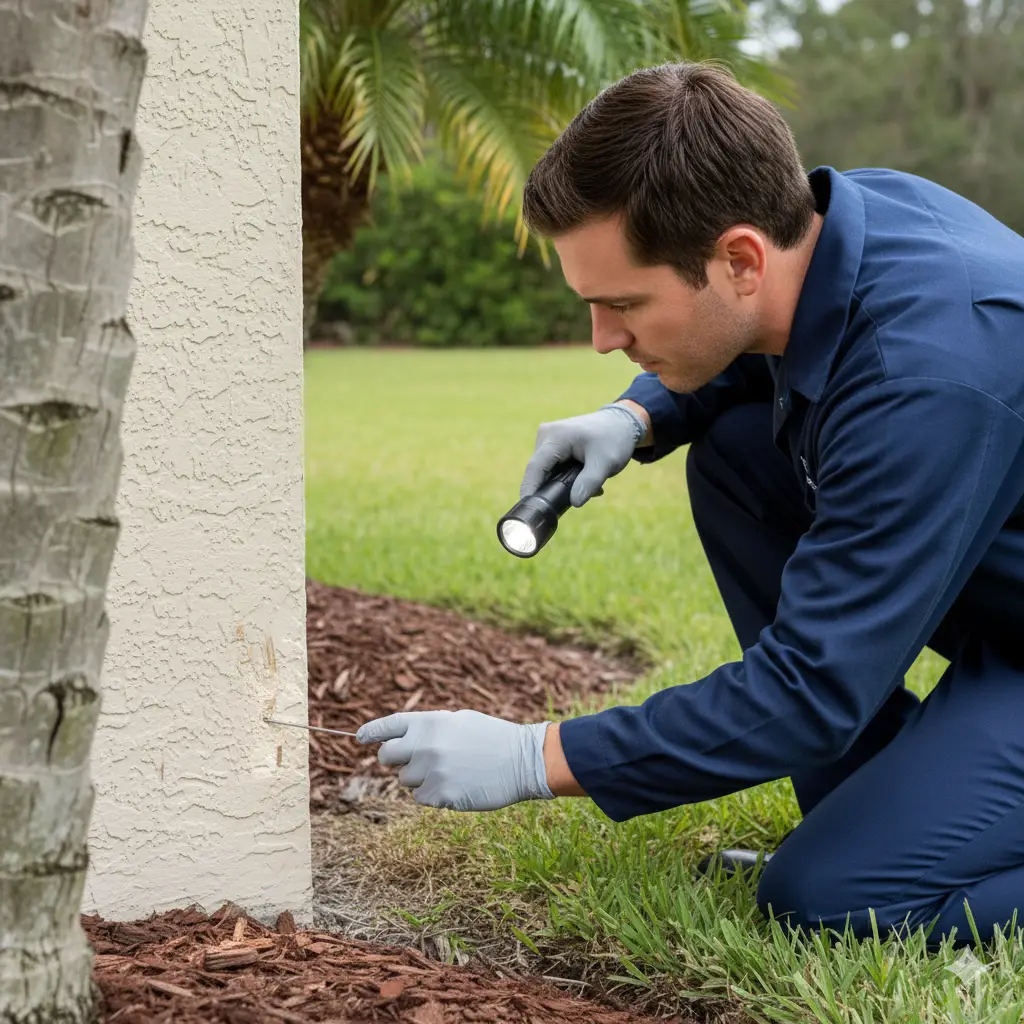
Can Termites Spread Through Clothes? The Scientific Truth for South Florida Homes
Discovering termites in or around your South Florida home is a worrying experience. It’s natural to wonder how they spread and if you could accidentally carry them to new locations—perhaps on your clothing after visiting an infested building. At NaturePest, we believe in replacing anxiety with knowledge. The short answer is no, termites cannot infest your home by spreading through clothes in the way you might fear. However, understanding the real ways termites spread is crucial to protecting your Miami or Broward County home. This guide will explain the science behind termite behavior, debunk common myths, and provide practical, holistic strategies for true termite prevention.
Understanding Termite Biology: Why Clothes Aren’t a Target
Termites are highly specialized insects that feed primarily on cellulose, which is found in wood and other plant-based materials. Your clothing, made of cotton, wool, or synthetic fibers, does not provide the cellulose termites need to survive. Even cotton, which is plant-based, is processed and woven in a way that does not resemble the decaying wood or soil matter that termites naturally seek out.
According to entomologists at the University of Florida’s Institute of Food and Agricultural Sciences (UF/IFAS), “Subterranean termites… require a constant source of moisture and live in the soil.” Their focus is on structural wood, not the fabrics in your closet.
The Reality of Termite Swarmers and “Hitchhiking”
During swarming season, you might see winged termites (swarmers) indoors. They are attracted to light and may land on various surfaces, including curtains or clothing. However, these swarmers are weak fliers focused on mating and starting a new colony. They cannot eat wood or fabric and will die within a day or two if they cannot find soil and a moist, woody food source. A swarmer on your shirt is a temporary nuisance, not a source of infestation.
How Termites Actually Spread and Infest Homes in South Florida
Understanding the real pathways is key to effective prevention. Termites are cryptic and excellent at finding hidden avenues into your home.
- Soil-to-Wood Contact: The most common entry point. When wood in your home (siding, structural posts, door frames) touches the soil, it provides a direct highway for subterranean termites.
- Mud Tubes: Termites build pencil-sized mud tunnels over foundation walls, pipes, and other obstacles to travel from their soil colony to the wood in your home while protecting themselves from dry air.
- Through Cracks in Foundations: Even a hairline crack in a concrete slab foundation can be an entry point for determined termites.
- Infested Wood brought Onto Property: Bringing firewood, lumber, or even mulch from an infested area onto your property can introduce termites.
The Real Pathways: Soil, Wood, and Moisture
In South Florida, the combination of a humid climate, frequent soil moisture, and common construction styles creates an ideal environment for termites. The real risk isn’t your wardrobe; it’s the soil-to-wood contact around your foundation, leaky pipes that create moisture, and wood debris in your yard.
Termite Myths vs. Facts: Protecting Your Belongings and Home
It’s important to separate fact from fiction to focus your prevention efforts effectively.
| Myth | Fact |
|---|---|
| Termites will eat through clothes and furniture to get to wood. | Termites typically ignore non-cellulose materials. They will tunnel through soft materials like drywall or insulation only to reach wood, not to consume them. |
| If you visit a friend with termites, you’ll bring them home on your clothes. | It is extremely unlikely. Worker termites (the ones that cause damage) almost never leave their colony. A swarmer on your clothes would die quickly and cannot start an infestation alone. |
| Termites can spread from house to house through the air. | Termites spread when a colony sends out swarmers to mate and establish new colonies. These flights are typically short, and new colonies are established near the parent colony, not by “jumping” from one house to another through the air over long distances. |
| All termites are the same. | South Florida has several types, including subterranean termites (the most common and destructive) and drywood termites (which infest dry wood and don’t need soil contact). Each requires a different approach. Our termite inspection service identifies the specific threat. |
What You Should REALLY Worry About: Signs of Termite Infestation in Florida
Instead of worrying about clothes, be vigilant for these actual warning signs:
- Mud Tubes: Look for these on foundation walls, in crawl spaces, or on piers.
- Hollow-Sounding Wood: Tap on wood surfaces; a hollow sound can indicate termites have eaten the inside.
- Frass: Drywood termites push their pellet-like droppings out of small kick-out holes, creating small piles that resemble sawdust.
- Discarded Wings: After swarming, termites drop their wings. Piles of tiny wings near windowsills or doors are a key indicator.
- Blistered or Damaged Wood: Wood that appears blistered or has maze-like patterns beneath the surface is a sign of infestation.
Holistic Termite Prevention Strategies for South Florida Homeowners
At NaturePest, we focus on creating an environment that is inherently resistant to termites through intelligent, eco-friendly methods.
- Maintain a Dry Perimeter: Ensure gutters and downspouts direct water away from your foundation. Fix leaky faucets and pipes promptly.
- Create a Barrier: Keep soil, mulch, and wood chips at least 6 inches away from your home’s wooden siding.
- Eliminate Wood-to-Ground Contact: Never store firewood or lumber against your house. Use concrete or metal stands.
- Ventilate Crawl Spaces: Proper ventilation reduces moisture, making the area less attractive to termites.
- Schedule Regular Inspections: An annual professional termite inspection is your best defense, as experts can spot early signs that homeowners often miss.
When to Get a Professional Termite Inspection in Miami or Broward
If you see any of the signs mentioned above, or if you simply want the peace of mind that comes with knowing your largest investment is protected, it’s time to call NaturePest. Our holistic approach to termite control focuses on prevention and uses targeted treatments that are safe for your family and the environment. We serve homeowners across South Florida, from Miami to Fort Lauderdale.
Frequently Asked Questions About Termites and Personal Items
Q1: Can termites damage furniture? A: Yes, but only wooden furniture. Termites will infest and consume wood in chairs, tables, and cabinets, especially if the furniture is in contact with the floor in a moist, dark area. Upholstered furniture itself is not a food source, but the wooden frame is vulnerable.
Q2: Should I be concerned about termites in my car? A: It is highly unusual. Your car does not provide the consistent moisture, darkness, or cellulose-based food source that a termite colony requires to survive. While a few swarmers might accidentally fly into an open car window, they cannot establish a colony there.
Q3: What about items in storage units? Could termites get into my boxes? A: Cardboard boxes are made of cellulose and can attract termites if the storage unit is infested. It’s a better practice to use plastic bins for long-term storage, especially in South Florida. If you’re storing items, choose a facility that has regular pest control inspections.
Q4: I’m moving from a home with termites. What precautions should I take? A: The primary risk is moving infested wooden furniture. Carefully inspect any wood items you plan to take. It is highly unlikely that termites will be transferred on clothing, books, or non-wooden items. When in doubt, consult with a pest control professional before the move.
Stop worrying about myths and start protecting your home from real threats. Let NaturePest’s termite experts give you peace of mind with a thorough inspection and a holistic prevention plan tailored to South Florida. Contact us today to schedule your inspection or call us at 786-222-7069.

